
Debunking Myths: What Really Happens in Audio Engineering


Demystifying Audio Engineering
Audio engineering is often shrouded in mystery, leading to the proliferation of myths that can confuse aspiring engineers and enthusiasts alike. In reality, the field is more about precision, creativity, and a deep understanding of sound than it is about simply pressing buttons on a console.

Myth 1: Audio Engineering Is Just About Making Things Louder
One common misconception is that audio engineers are only concerned with amplifying sound. While volume is an aspect, it’s just a small part of the process. Audio engineers focus on creating a balanced mix where every element can be heard clearly without overpowering others. This involves equalizing frequencies, managing dynamics, and ensuring clarity and depth.
Engineers employ a variety of tools and techniques, such as compressors, equalizers, and reverb, to shape the sound. It's about crafting an immersive audio experience, not just turning up the volume.
Myth 2: It’s All About the Equipment
While high-quality equipment is important, it doesn’t automatically guarantee exceptional results. An audio engineer’s skill and experience are the most crucial elements in producing great sound. Understanding how to use equipment effectively and creatively is what sets professionals apart.
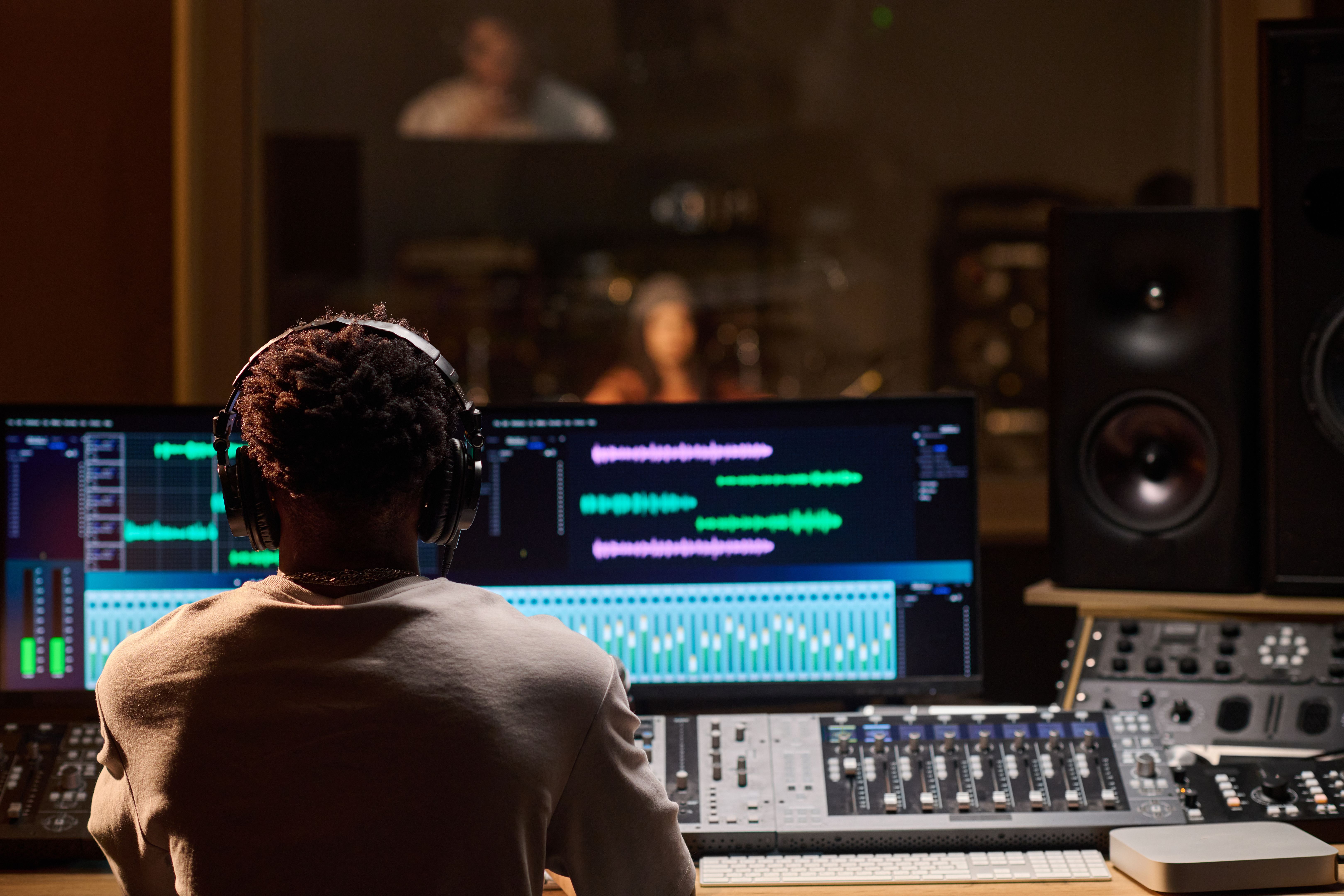
Moreover, audio engineering involves problem-solving and critical listening skills. Engineers often encounter unique challenges in each project, requiring them to adapt and innovate to achieve the desired outcome.
Myth 3: Audio Engineers Are Only Needed in Music
Although music production is a significant part of audio engineering, the field extends far beyond that. Audio engineers work in television and film, live events, radio, podcasts, and even video game sound design. Each area requires specialized knowledge and techniques.
For instance, in film, audio engineers work on dialogue clarity, sound effects, and ambient sounds, ensuring they all blend seamlessly with the visual elements. In live sound, engineers must create a mix that works in real-time, adapting to the acoustics of different venues.
The Human Element in Audio Engineering
At its core, audio engineering is about creativity and collaboration. Engineers often work alongside producers, artists, and directors, contributing their expertise to help realize a shared vision. This collaborative process is a dynamic blend of technical skill and artistic insight.
Understanding the emotional impact of sound and how it enhances storytelling is an essential part of the job. Engineers must be attuned to the nuances of sound and how it can evoke emotions and convey messages effectively.
Conclusion: Embracing the Reality of Audio Engineering
Debunking these myths reveals the true complexity and artistry involved in audio engineering. It’s a field that requires continuous learning and adaptation, driven by passion and creativity. Whether you're an aspiring engineer or simply curious, understanding what really happens in audio engineering can deepen your appreciation for the sounds that shape our world.