
Mastering the Art: A Beginner's Guide to Music Mixing and Mastering


For aspiring music producers, mastering the art of mixing and mastering is a crucial step toward creating professional and polished tracks. While the process might seem daunting at first, understanding the fundamentals can open up a world of creative possibilities.
Understanding the Basics of Mixing
Mixing involves balancing and adjusting individual tracks to create a cohesive song. It's a delicate process where each element, from vocals to instruments, must be fine-tuned to ensure clarity and harmony.
Essential Tools for Mixing
To start mixing, you'll need a few key tools: a digital audio workstation (DAW), audio interfaces, and quality headphones or studio monitors. These tools help in crafting a balanced sound.
- DAW: Software where you edit and mix your music.
- Audio Interfaces: Connect your instruments and microphones to your computer.
- Monitors/Headphones: Essential for accurate sound reproduction.
The Art of Equalization
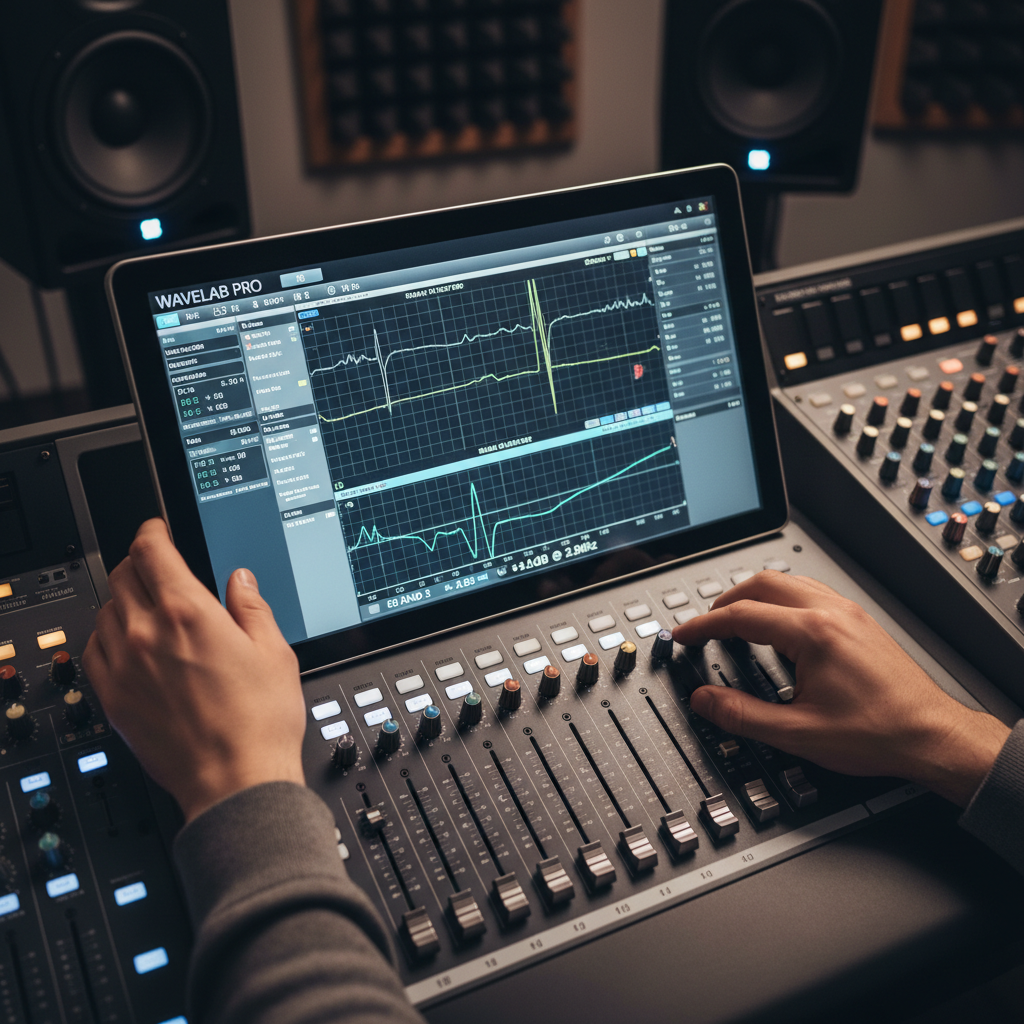
Equalization (EQ) is a powerful tool in mixing. It allows you to adjust the frequency balance of each track. Proper EQ can prevent muddiness and ensure each instrument occupies its own space.
Using Compression Wisely
Compression helps control the dynamic range of a track. It ensures that no part of the song is too loud or too soft. When used correctly, it can add punch and presence to your mix.
- Set Threshold: Determine the level at which compression kicks in.
- Adjust Ratio: Control how much compression is applied.
- Fine-tune Attack and Release: Shape how quickly compression responds.
Mastering: The Final Touch
Mastering is the final step in music production. It involves enhancing the overall sound of the track and preparing it for distribution. This stage ensures your song sounds great on all playback systems.
Key Components of Mastering
During mastering, focus on enhancing stereo width, adjusting levels, and applying final EQ. Additionally, limiters are used to maximize loudness without clipping.
Mastering requires a fresh perspective. Sometimes, it’s beneficial to involve a different engineer with a new set of ears to provide an unbiased polish to your mix.
Continuous Learning and Practice
Mastering mixing and mastering is an ongoing journey. The more you practice, the more attuned you become to the nuances of sound. Consider taking online courses, joining forums, and collaborating with other producers to refine your skills.
Remember, every professional was once a beginner. With dedication and passion, you too can master the art of music mixing and mastering.